
No two ways about it, we are in a drought. But by working together and doing the right things, we can minimize the use of water reserves stored in our local aquifers and reservoirs, saving that water for future needs.

The fact that you’re here shows you’re interested in helping us to meet our community-wide goal of reducing water use by at least 10%. As you move through the site, you’ll find the 10 easiest and most convenient ways to achieve that number. So click on down and start saving!
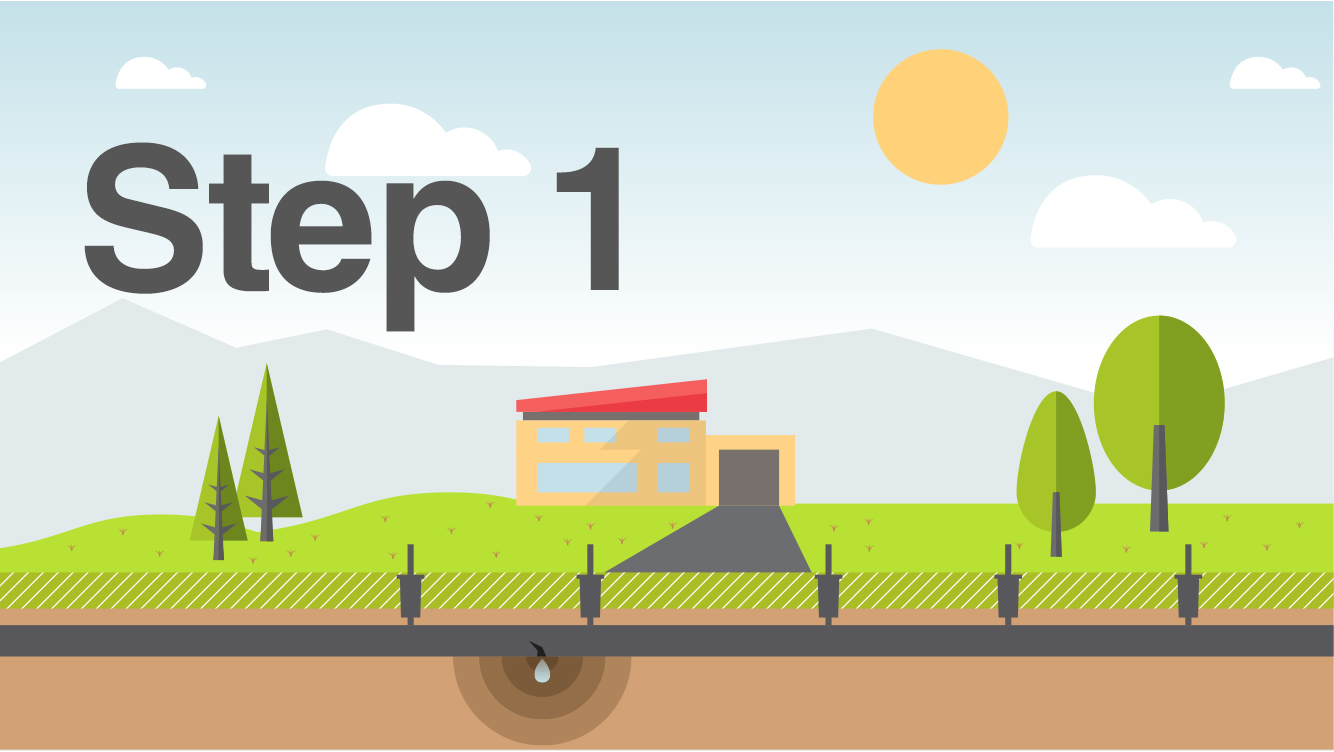
Get your outside watering dialed in.
Test all your sprinklers and drip systems to be sure they’re leak-free, properly targeted, and timed correctly. And please, only water on your assigned days. Even addresses water on Tuesdays, Thursdays, and Saturdays. Odd addresses on Wednesdays, Fridays, and Sundays. No watering for anyone on Mondays, as it is a day to replenish and maintain our water system.
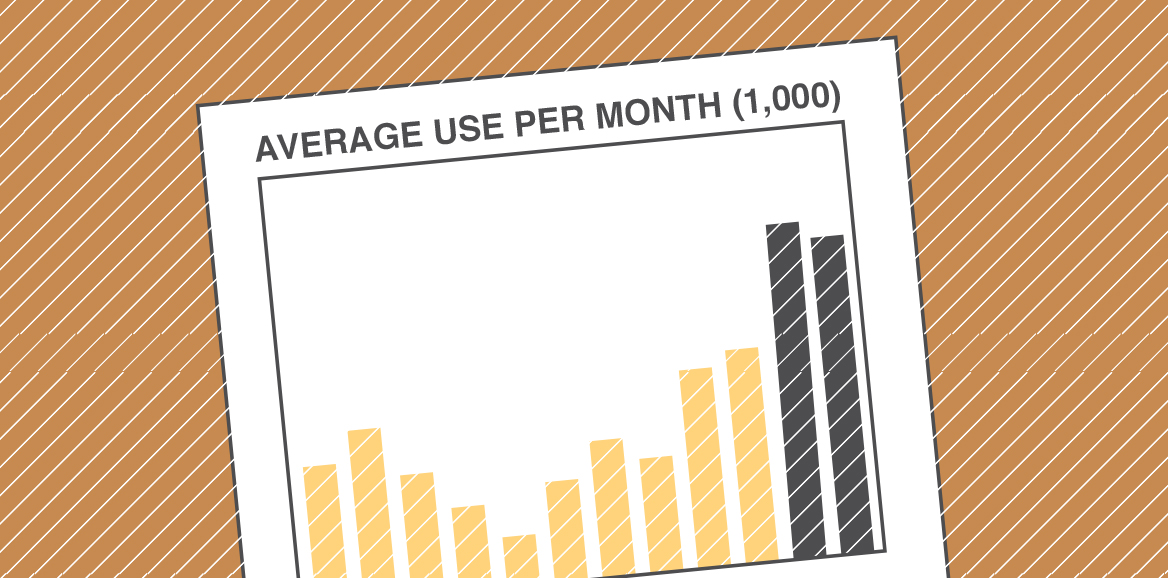

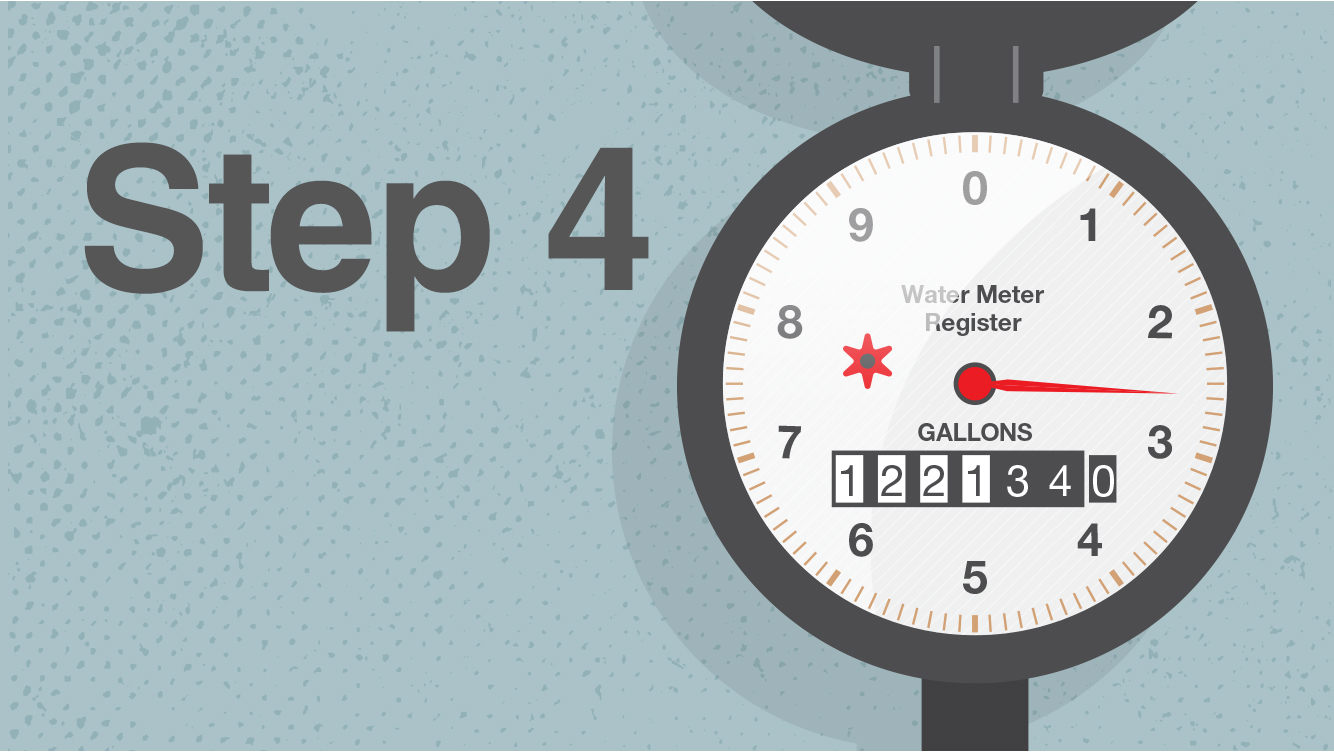
Your water bill contains a graph showing a 13-month usage history. An unexplained spike in use may indicate that you have a leak.


For drought-trained yards, Assigned-Day watering should be enough–even during the hottest part of summer. Cut back watering when temperatures are cooler in the spring and fall.
Timing is everything.
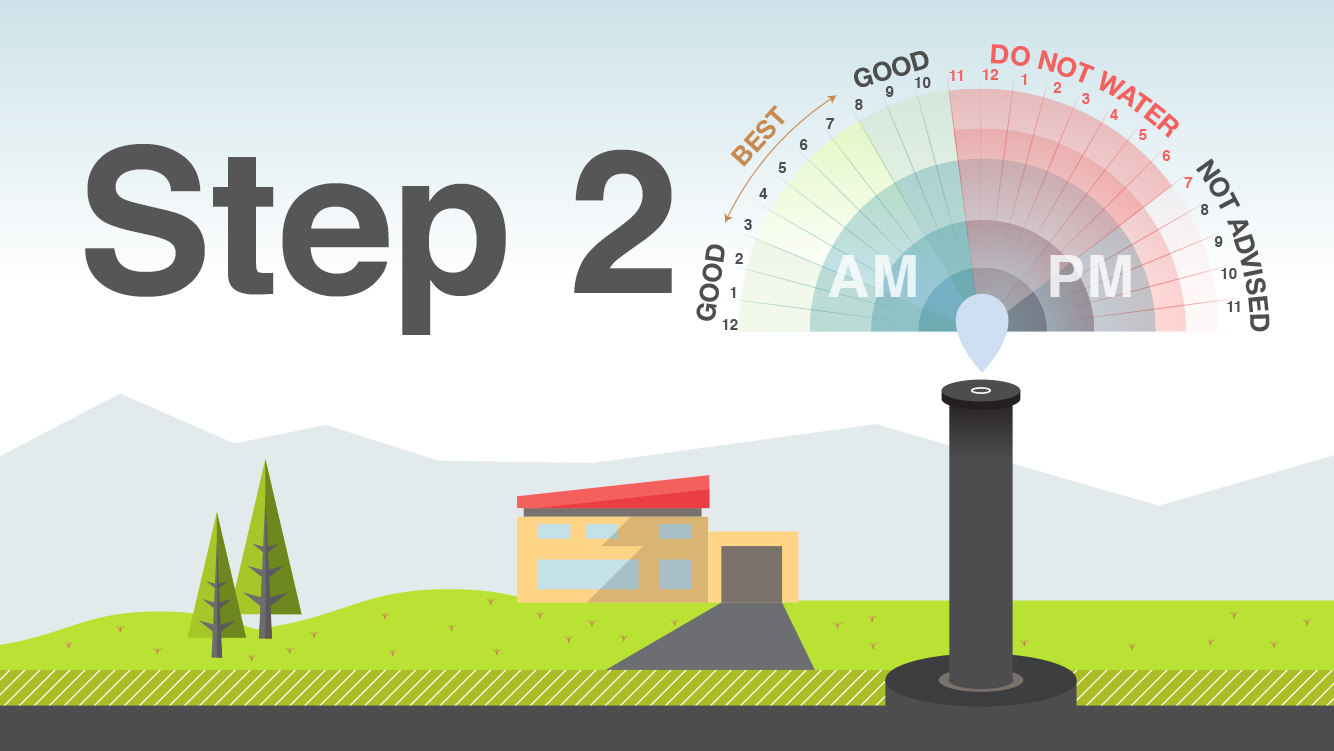
When it comes to outdoor watering, when you do it makes all the difference. Watering during the cool parts of the day minimizes evaporation and increases absorption. Please don’t water between 11am and 7pm. And watering when it’s windy or raining, well, that’s never a good idea.


Watering when it’s windy or raining is never a good idea.
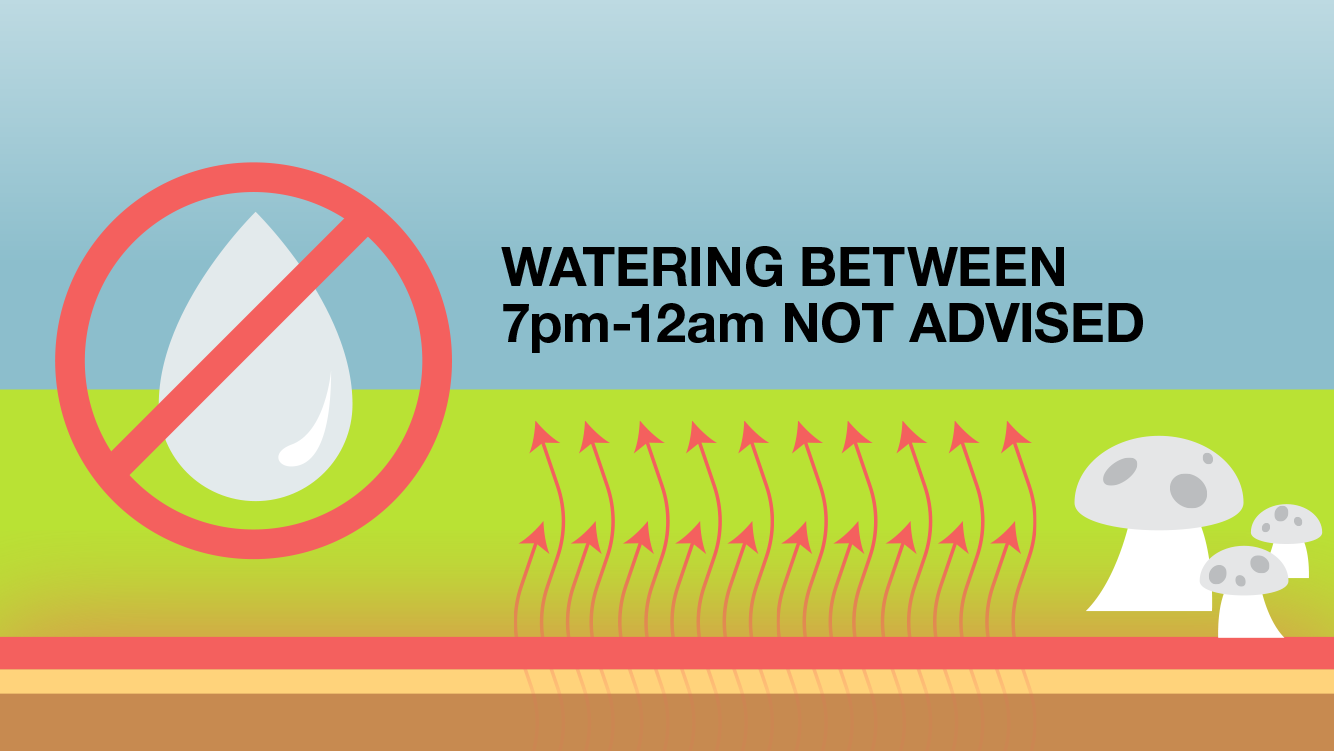

Watering between 7:00pm and 12:00am is not advised because the soil is still warm and will be more susceptible to fungus growth.
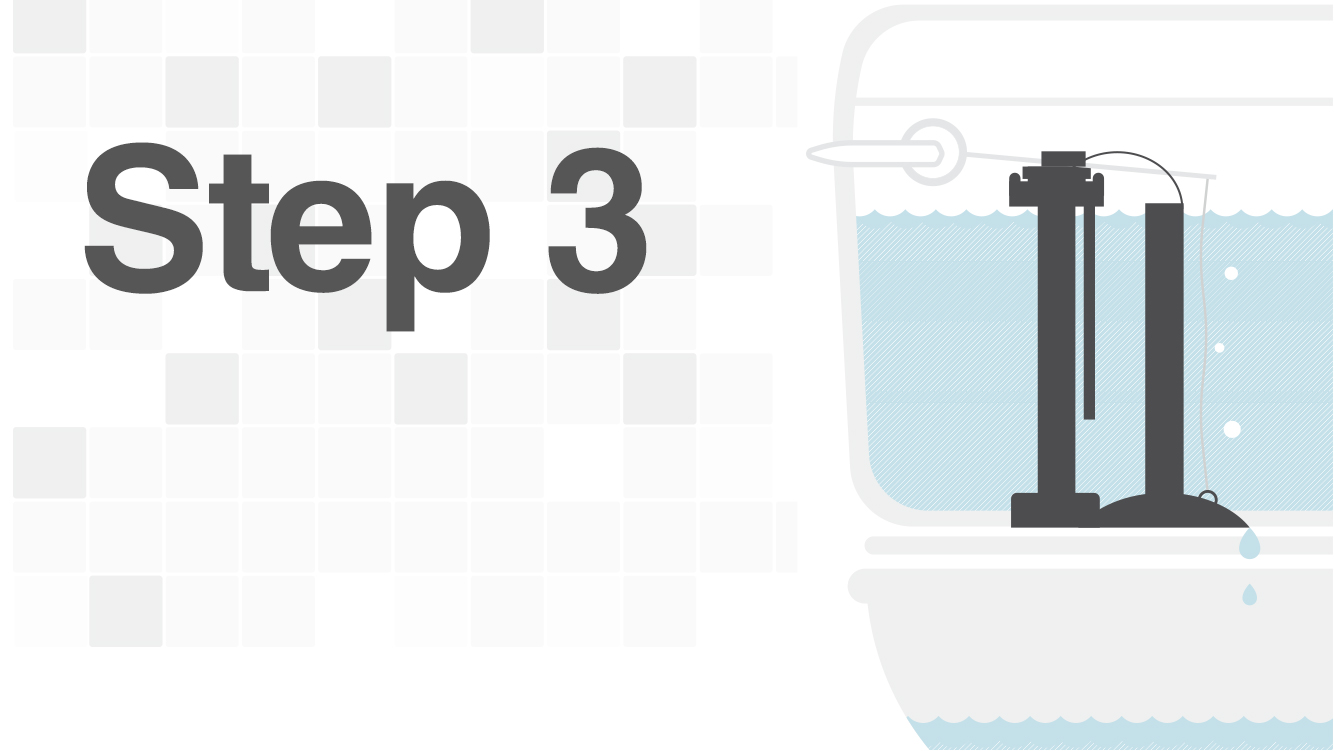

Fix that leaky toilet.
Check all your toilets to be sure they’re not leaking. If they are, get them repaired, pronto. A single leaking toilet could be sending hundreds of gallons of water right down your drain every day.


To check for a leak, put food coloring in your toilet tank. If, without flushing, the coloring begins to appear in the bowl, you have a leak. Replace the flapper valve, adjust or replace the flush valve, or call a plumber.


Get to know your water bill.
Is your water bill considerably higher than in the past? If yes, there’s a good chance you have a leak. In your bill you’ll find an easy-to-read chart that allows you to track your usage over time and identify significant increases.


Full loads only when washing clothes and dishes.
Dishwashing and laundry are two of the biggest water-consuming activities in any household. But by choosing to wash only full loads, you can make remarkable reductions: 15 – 45 gallons per load of laundry and 5 - 15 gallons per load of dishes.


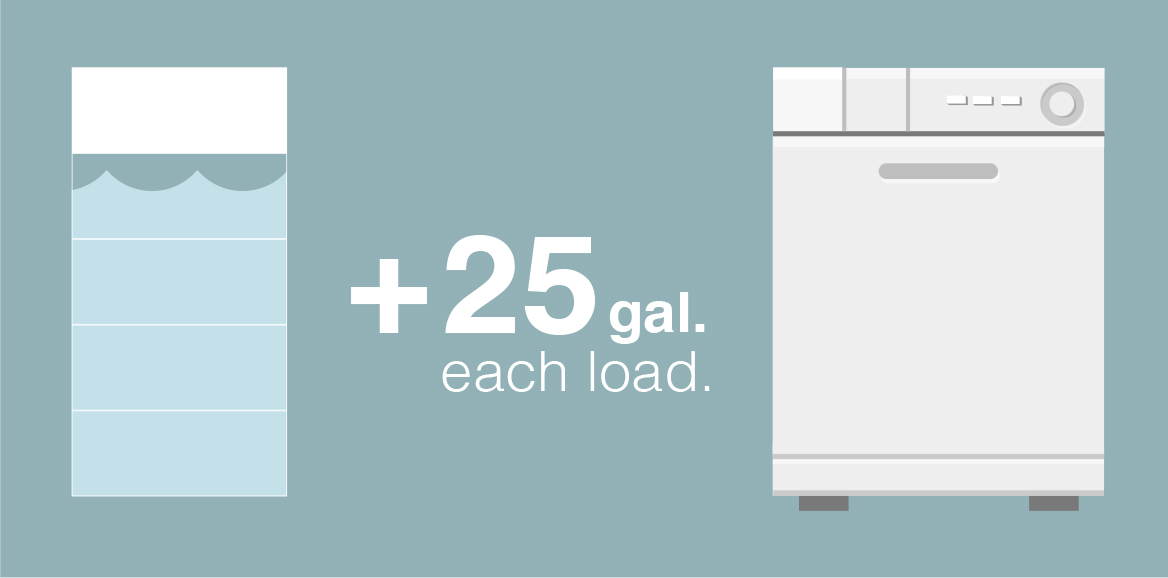
Older dishwashers may use up to 25 gallons of water for each load. Most newer model dishwashers are just as water efficient as washing by hand, but only when you wash a full load.


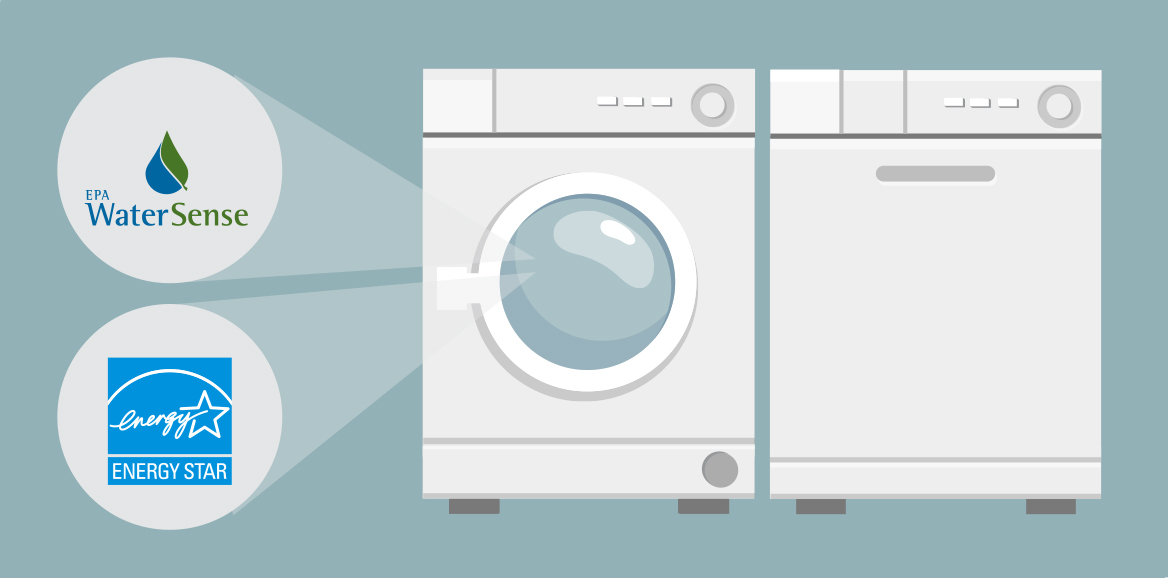
When shopping for a new dishwasher or a new clothes washer, be sure to look for one that is both water and energy efficient. It may cost the same or slightly more than a traditional model, but the savings in water and energy costs will benefit you in the long run.


Older washing machines may use 30 to 35 gallons per load. You can limit the amount of water used by only washing full loads or by choosing the right water level for the load size.

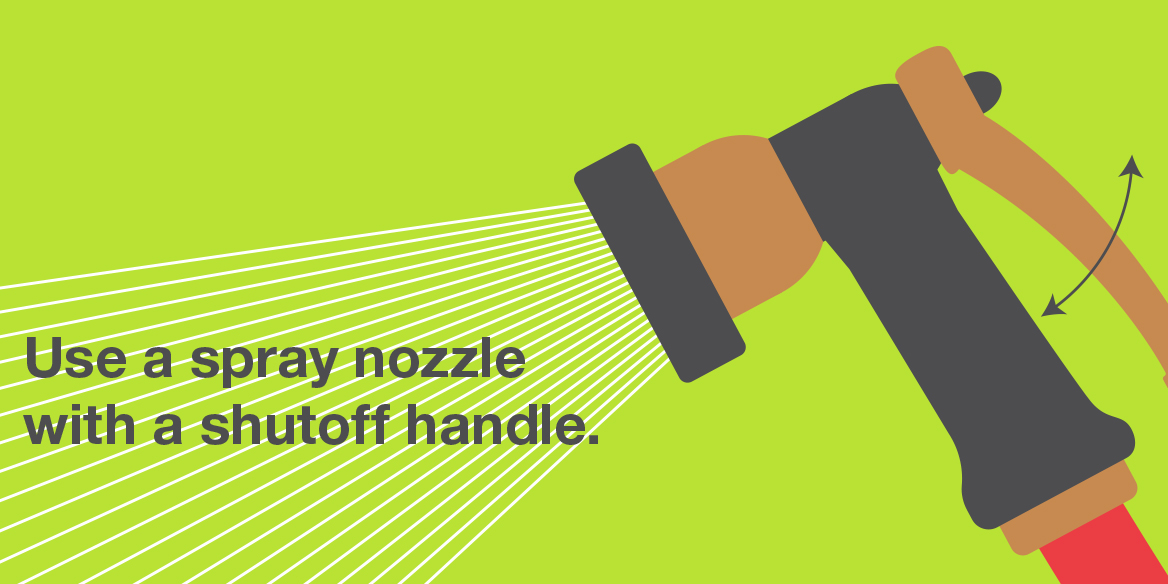
Use shutoff spray nozzles on all your hoses.
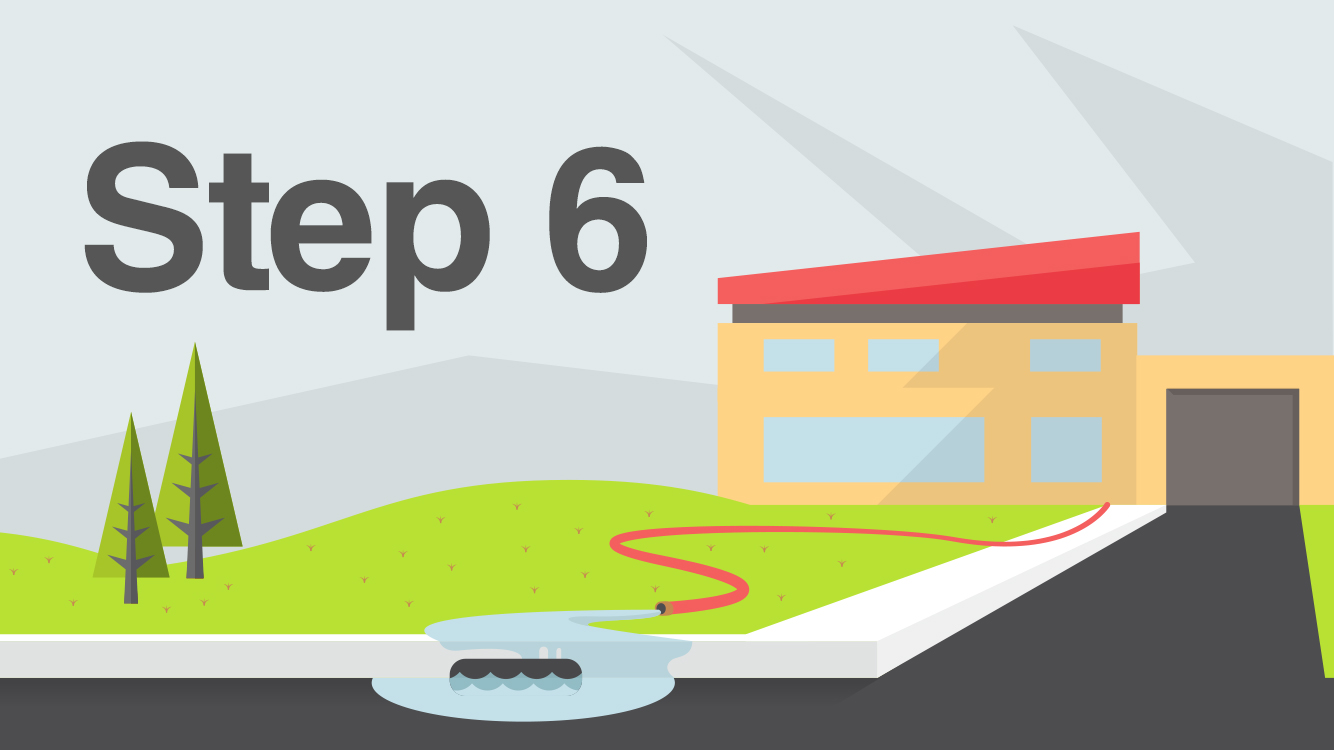
This simple choice guarantees that your water is only flowing when and where you need it. Additionally, it’s a great idea to check for leaks in your hose connections. A rubber washer can save many gallons.


Many people don’t realize that water can flow from a hose at the rate of over 10 gallons per minute. If you are careless for just a few minutes, the water waste can add up really fast.


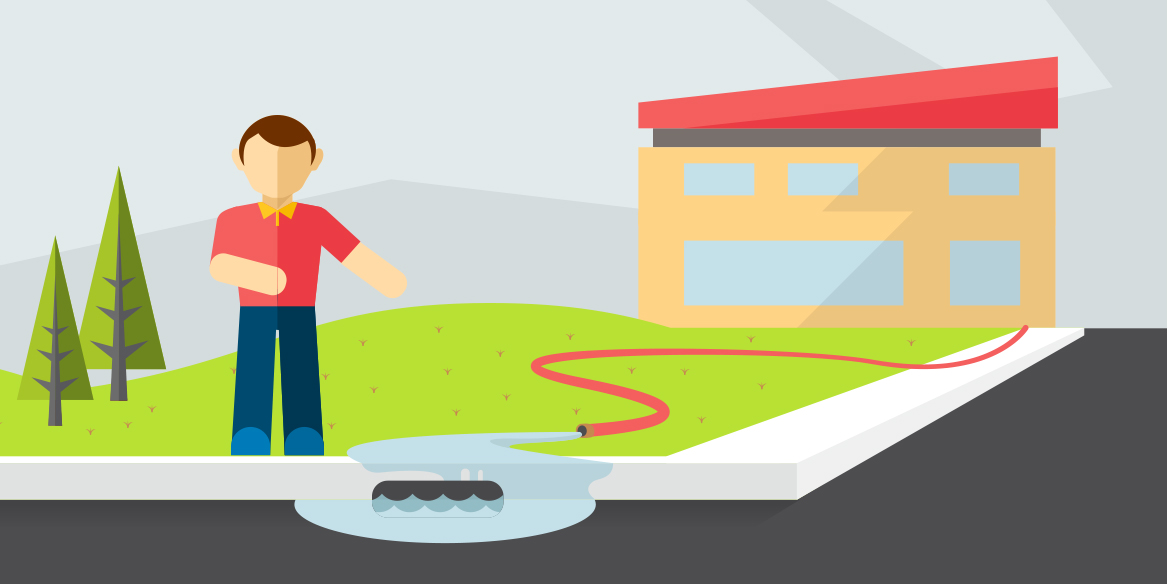
Report water waste. Often people don’t know that they are wasting.


Fixing outside leaks may not seem as urgent since they don't damage floors or drive you crazy at night, but they can be just as wasteful. Visit our page on how to find and repair leaks.

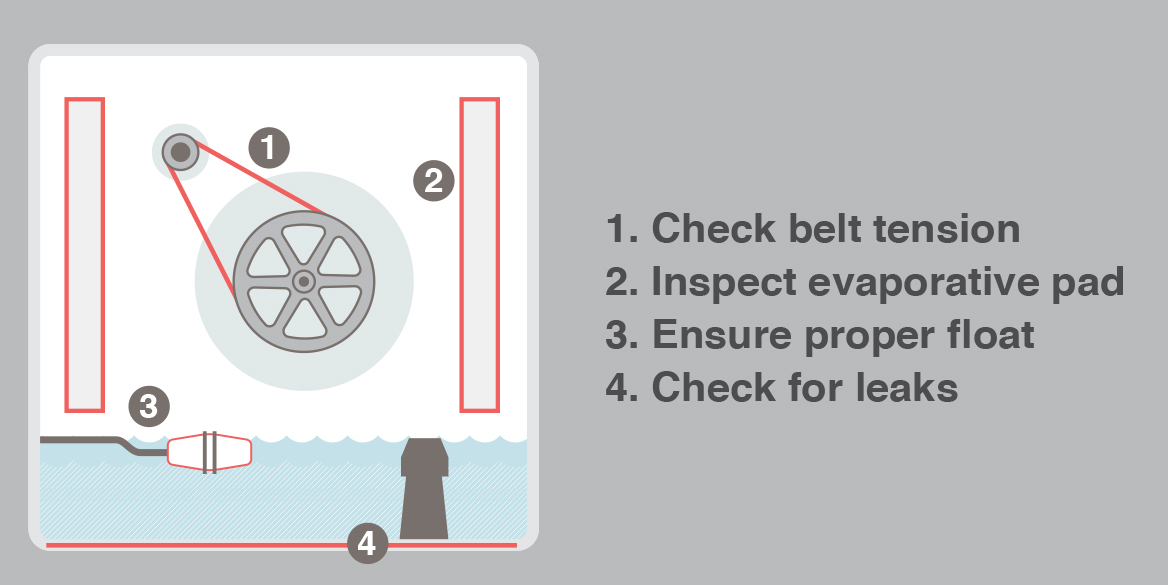
Is everything cool with your evaporative cooler?
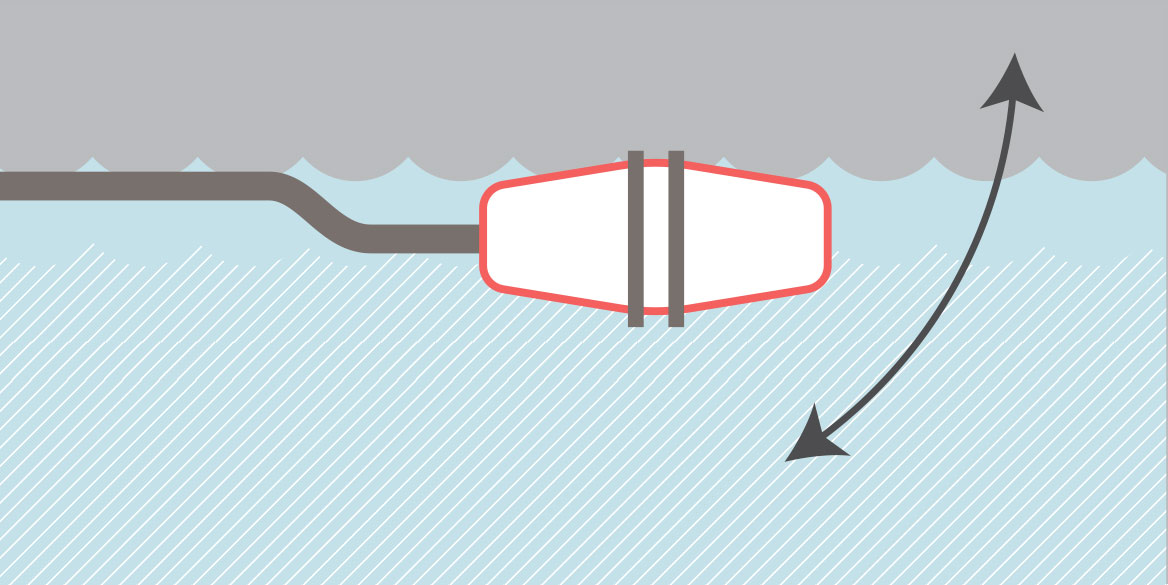
A constantly leaking unit can be a huge daily drain on your water use. Prevent this needless waste by checking for drips and making repairs when needed. Also, be sure your float valves are properly adjusted.


Check evaporative coolers periodically throughout the summer months.


Also check any landscape water features you may have. A broken or improperly adjusted float valve can waste thousands of gallons of water.

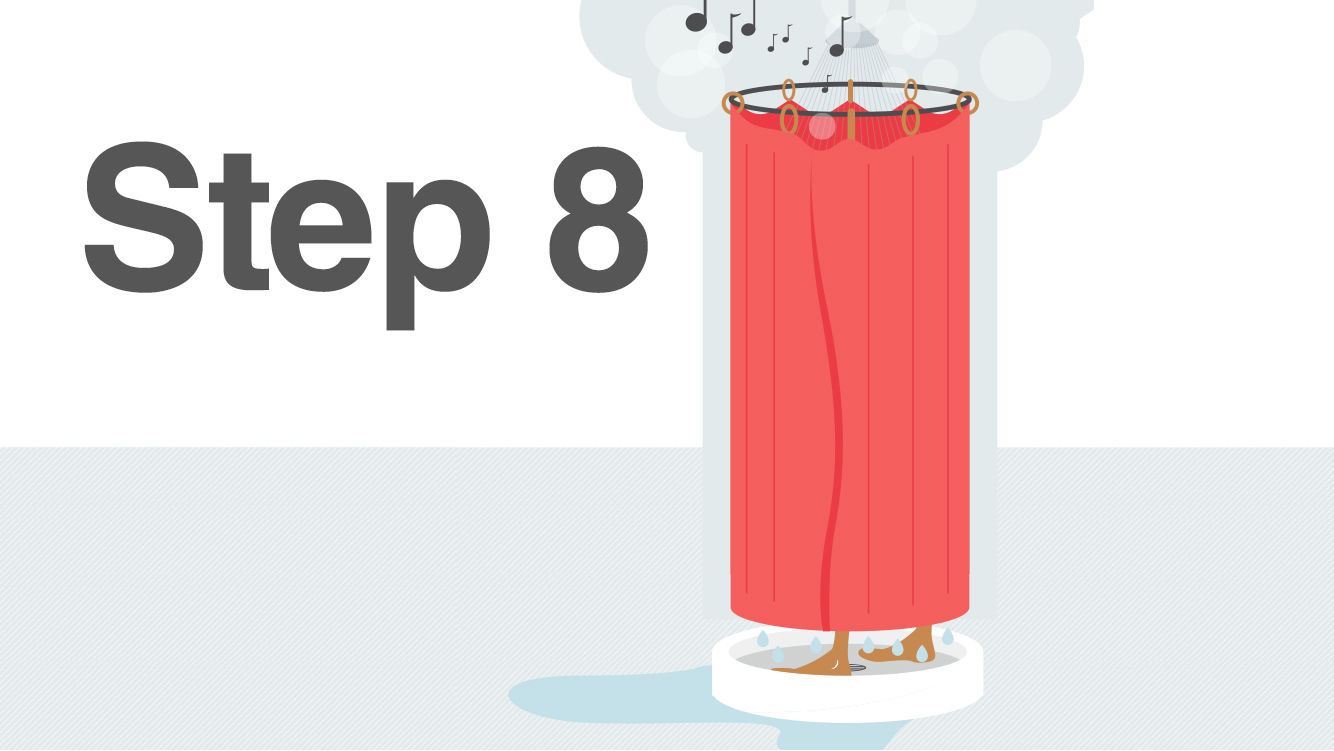
Simply shower smarter.
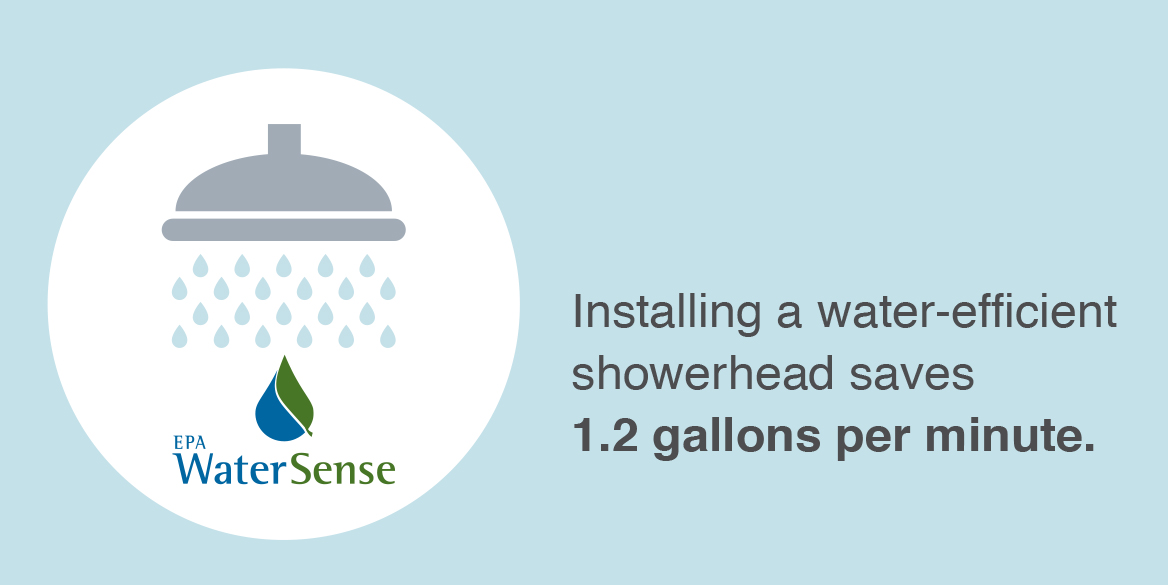
It starts with installing a water-efficient showerhead. This little step alone can save 1.2 gallons per minute. Next, take shorter showers. By reducing your shower time from 10 minutes to five, you can save as much as 12.5 gallons.


Limit your showers to the time it takes to soap up, wash and rinse, and save on your hot water heating costs, too.


Look for the Water Sense logo when replacing appliances and nozzles.

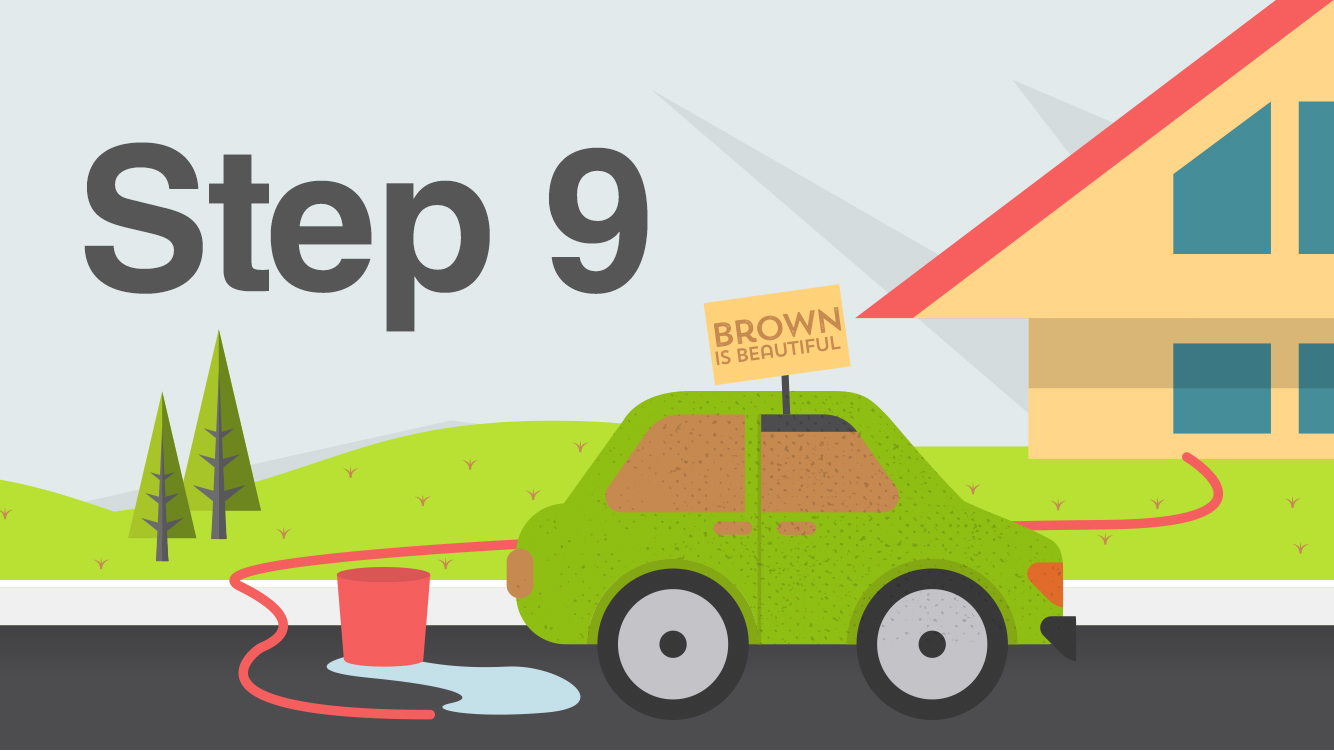
Don’t wash that car.
Sure, a clean car is a beautiful thing. But a simple, five-minute wash in your driveway can use as much as 100 gallons of water. Which makes the idea of a dirty car look a lot more attractive.


Wash vehicles using a bucket with soapy water. Be sure to turn the running water off while you are washing a vehicle.


Using a power washer can conserve even more water. Power washers use, on average, about 2 to 5 gallons per minute, with a potential savings of up to 80 gallons over using a standard house without an automatic shutoff nozzle.

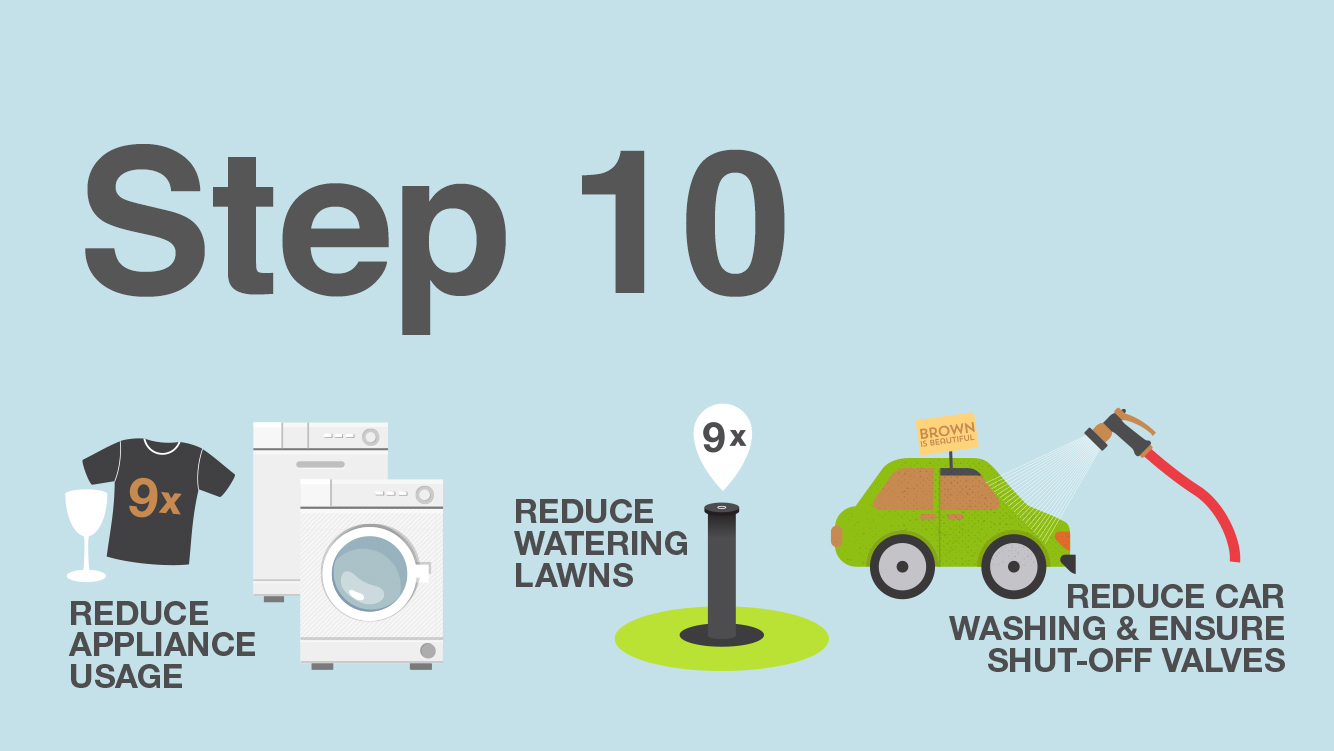
Whatever you’re doing ten times, only do it nine.
This one’s as simple as it gets. For every 10 times you do any water-using activity, just cut it back by one. Do nine loads of laundry rather than 10. Take nine showers. Run the dishwasher nine times. You get the idea. It’s an easy-to-remember method for saving water throughout your home.

So there you have it, 10 convenient steps to reduce your water use by 10%. Your conservation efforts, along with those of other like-minded neighbors, will help our community be bettering prepared should this drought continue. Through this collaborative protection of our water resources you’re helping to maintain the quality of life we’ve all come to expect here in the Truckee Meadows.
Thanks for saving!